


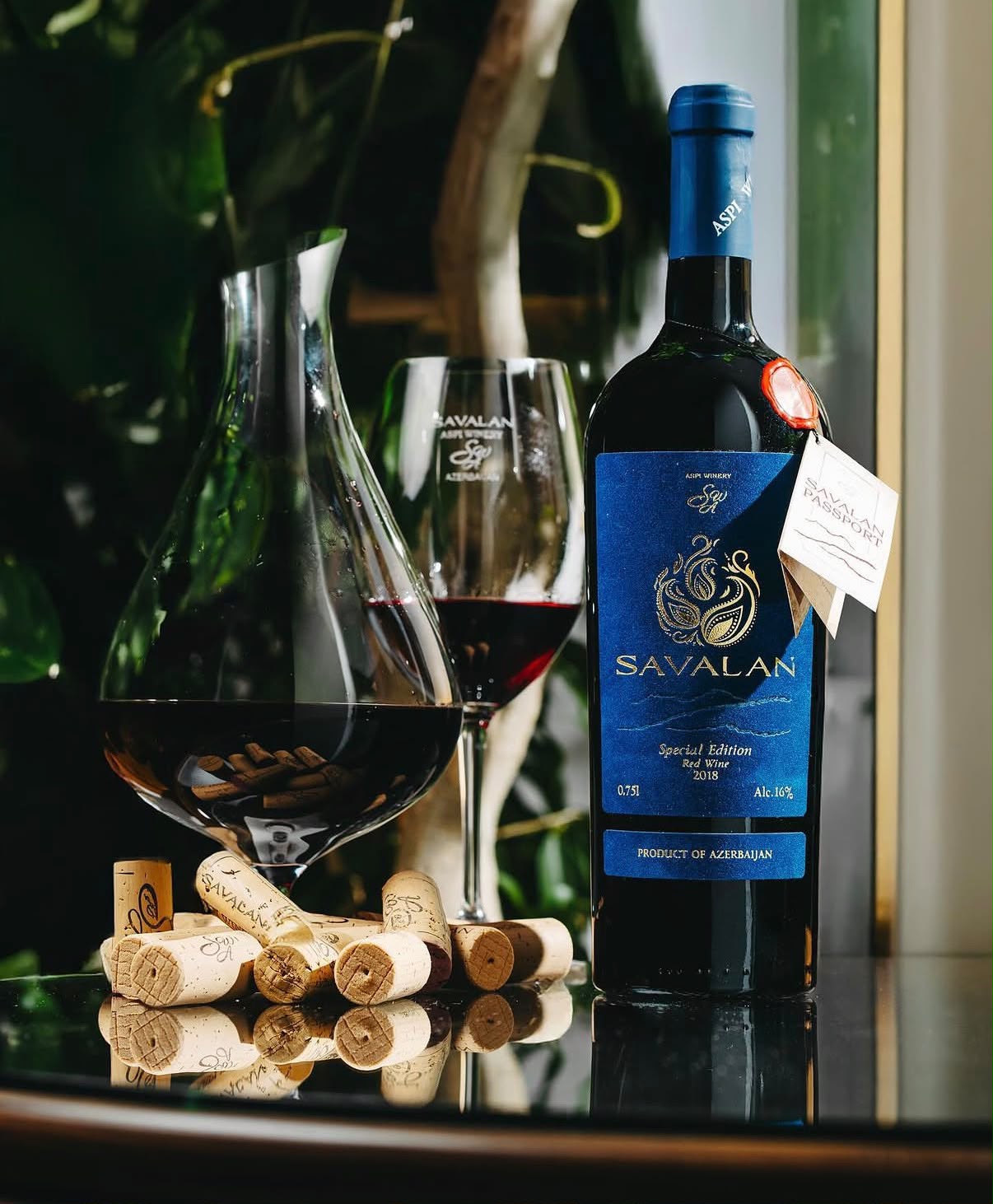
Sometimes, you open a bottle of fine aged red wine, pour a glass, and notice a few dark specks at the bottom. Hold the bottle up to the light, and you may see a thin layer, as though the dust of years has settled at the very bottom.
The first thought is usually simple: “The wine has gone bad…” But with aged wine, the opposite is often true. Sediment is not a sign of spoilage, but a natural indication that the wine has evolved over the years.
A lot changes inside a bottle as wine ages. It becomes softer, loses some of its youthful astringency, its colour evolves, and its aromas grow more complex. At the same time, processes invisible to the eye are taking place: natural compounds responsible for the colour and astringent taste of red wine — polyphenols, tannins, and anthocyanins — gradually bind together. They form larger particles that eventually settle at the bottom. This is how sediment develops. Sometimes it resembles fine dark dust; at other times, it looks like flakes or coffee grounds.
There is no need to worry about it. Sediment itself is completely harmless, although drinking it is not particularly pleasant: it can feel gritty on the palate and taste bitter. That is why aged red wines are often decanted before serving — carefully poured from the bottle into a special glass vessel called a decanter, leaving the sediment behind.
How to do it properly at home
Preparation. It all begins well before the first sip. Stand the bottle upright several hours before serving (or even a full day in advance if the wine is particularly old and contains a lot of sediment). This gives the particles time to settle at the bottom. Open the bottle gently and without rushing: an old cork does not respond well to sudden movements.
A candle or a flashlight. Traditionally, sommeliers use a lit candle for this purpose, but a flashlight on your phone works just as well at home. Turn it on (or light the candle) and position the light source just below the neck of the bottle. This allows you to see the wine clearly as you pour and notice when the sediment begins to approach the neck.
A steady pour. Slowly tilt the bottle and pour the wine into the decanter in one smooth, continuous motion, taking care not to disturb the sediment. As long as the wine flows in a clear stream, everything is going as it should.
Knowing when to stop. As soon as a dark line appears near the neck and you see sediment moving towards the opening, stop pouring. The last sip of wine will remain in the bottle along with the sediment — a small price to pay for a glass of clear wine.
One important question: does wine need to “breathe”?
After decanting, give the wine a little time to reveal its aromas and flavours. Taste it immediately after pouring, then again a little later. You may notice how it changes in the glass. After all, wine is a living thing, with a character of its own.
And what remains in the bottle?
That same dark sediment that may have raised doubts at first. Over the years in the cellar, the wine has changed and matured, leaving behind what it no longer needs.
There is a certain magic in this: sediment is not what spoiled the old wine, but what remains of the time it has lived through.
Authors of the SAVALAN Blog:
Fuad Seyidaliyev and Arif Rahimov
Founders and Co-owners of SAVALAN-ASPI Winery